Sustainability and ESG – the key to long-term business success
Environmental, social and governance (ESG) issues have long been more than just a trend. They have a significant impact on corporate success: production losses due to climate change, supply bottlenecks for critical resources, skills shortages, gender pay gaps and increasing demands for transparency from stakeholders.
In addition, regulatory pressure is increasing massively: CSRD, EU Taxonomy Regulation, EUDR, CSDDD, a new Ecodesign Regulation (ESPR), a new Packaging Regulation (PPWR), the Nature Restoration Law and many other legal acts.
We support you in successfully navigating these challenges and seizing the opportunities that arise – whether through decarbonisation, circular economy, diversity, supply chain transparency or reporting. Together, we find solutions to strengthen and secure your business success in the long term.
Regulatory sound. Practical approach. Strong implementation.

Your advantages
Our services – consulting and auditing
Communicating ESG successfully to stakeholders with clear messages
- Statutory ESG reporting (CSRD, EU Taxonomy Regulation, SFDR, etc.) and voluntary ESG reporting (VSME, GRI, etc.)
- Linking non-financial and financial reporting and establishing integrated reporting
- Optimisation of ratings & certifications (Ecovadis, CDP, MSCI, ISS ESG, Sustainalytics, VÖNIX, etc.)
- Investor relations & corporate communications
- Methodical design of internal and external stakeholder dialogues
Increase business value through climate resilience and decarbonisation
- Greenhouse gas accounting: corporate carbon footprint and product carbon footprint (ISO 14064/67, GHG Protocol, etc.)
- Climate risk analysis (physical risks and transition risks)
- Strategy development and goal setting (transition plans, decarbonisation plans, reduction targets, science-based targets / SBTi, etc.)
- Management systems (e.g. key performance indicator systems, CO2 data management, supplier management & supplier engagement)
- Regulatory climate reporting (including CSRD, ESRS, CBAM, CSDDD) and climate-related ratings/certifications (CDP, Ecovadis, etc.)
Ensuring efficiency and data quality with digital solutions
- Enterprise architecture design (e.g. ESG Data Lake)
- Support & guidance Software selection (e.g. Digital Safari)
- Implementation of ESG software (e.g. Workiva Sustainability Reporting)
- Use of artificial intelligence for data analysis and reporting
Successfully embedding and managing ESG within the company
- Defining responsibilities, committee structures and organisational structures to strengthen the company-wide ESG organisation, including the integration of sustainability, controlling, risk management and strategy
- Adapting corporate governance (including internal control system, risk management system, compliance management system)
- Establishment of an integrated due diligence system, including synergies with existing management systems (e.g. ISO14001)
- Implementation of ESG management for the supply chain (including risk identification, monitoring, supplier evaluations and supplier management, e.g. for CSDDD or EUDR)
- Development of ESG-oriented target systems and anchoring them in management and compensation structures.
- Development, revision and implementation of ESG guidelines
- Skill development and change management (including the design and implementation of target group-specific training programmes for managers, supervisory boards and employees)
Setting priorities, managing risks and seizing opportunities
- Materiality analysis (‘light’ or ‘CSRD-compliant’)
- Integration of ESG, strategy and risk management
- Setting ESG targets and areas for action
- ESG in company valuations and ESG due diligence
- ESG-related financing
- Adaptation of business models
- Compliance checks (e.g. EU Green Deal)
Would you like to receive news about important developments and innovations in the field of ESG? Subscribe to our free newsletter here.



Our collaborations

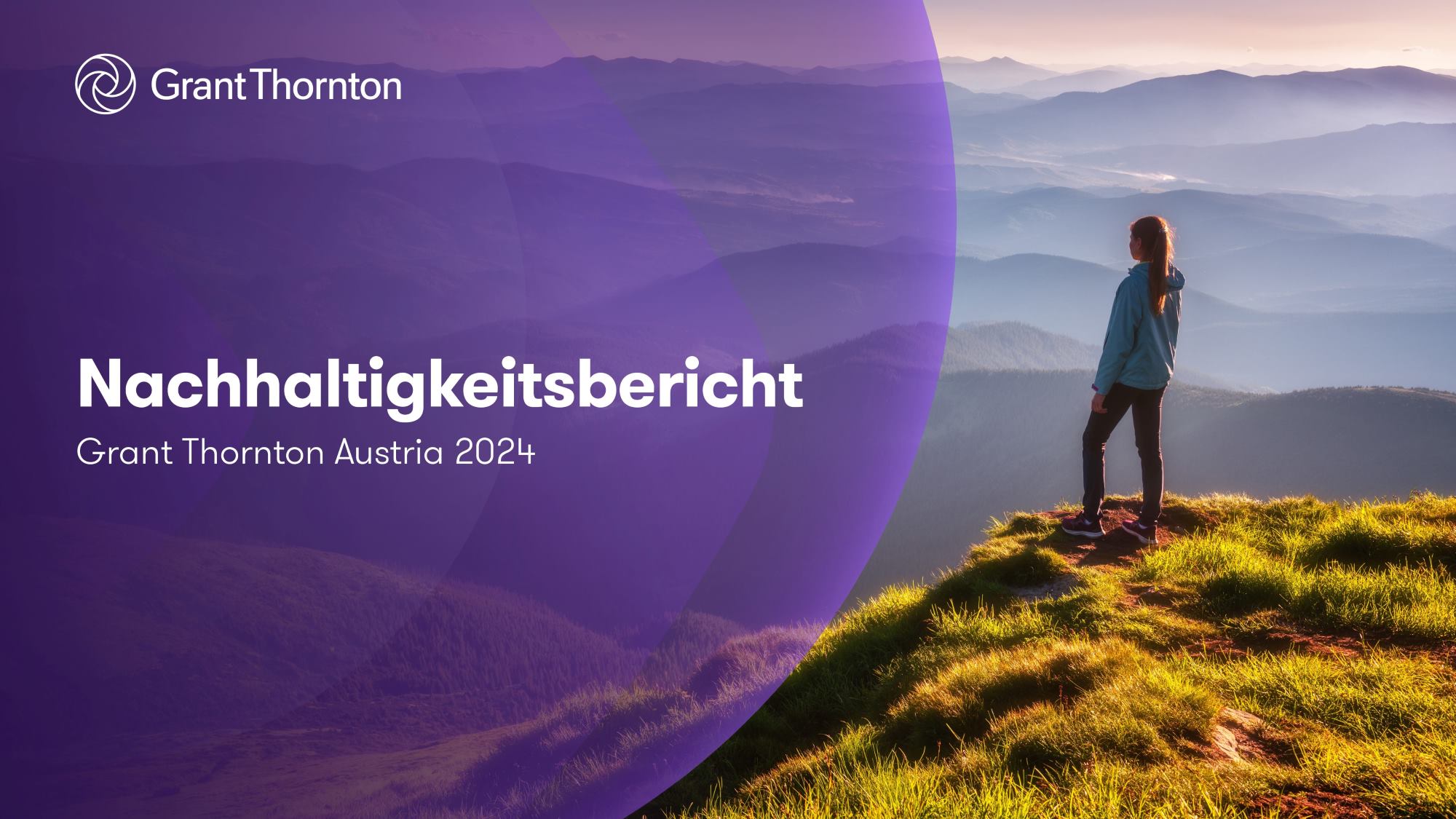
Our Sustainability Report

Award-winning sustainability
The award from the Carinthian Energy Forum (EFK) stands for sustainability in our services.
The "Energieforum Kärnten" certifies companies that use resources responsibly and have firmly anchored sustainability in their business activities. The award not only provides us with valuable confirmation, but also serves as a guide for you when choosing companies that operate sustainably.